HAIVIET COMPANY LIMITED
Processing and exporting quality cashew nuts
Nuoc Vang, An Binh, Phu Giao, Binh Duong, VietnamMST: 3700443193
About us
A trusted export partner from Vietnam
Being founded in 2002, Haivietco., Ltd. specializes in processing, exporting and importing cashew nuts and other agricultural products such as rice, rubber, pepper and coffee. So far, our products have been exported to many countries around the world (China, The United States of America, EU, Australia…). We have also imported raw materials for our manufacturing.
Cashew kernels which are our key products are supplied in various grades (WW240, WW320, WW450, LBW240, LBW320, WS, WB, DW, LP, BB….). The products meet the international standards of cashew kernels.
We, all staffs, always do our best to supply products with top quality and make customers highly satisfied.
Why Choose Us
Over Two Decades of Cashew Experience
Founded in 2002, Hai Viet has more than two decades of experience in processing, importing and exporting cashews. Cashew kernels remain the company's key product category, supported by a broad range of commercial grades.
International Export Experience
Hai Viet states that its products have been exported to China, the United States, the European Union and Australia, demonstrating experience in supplying cashew kernels to multiple international markets.
Production Process
Quality control steps from raw material to delivery.
1
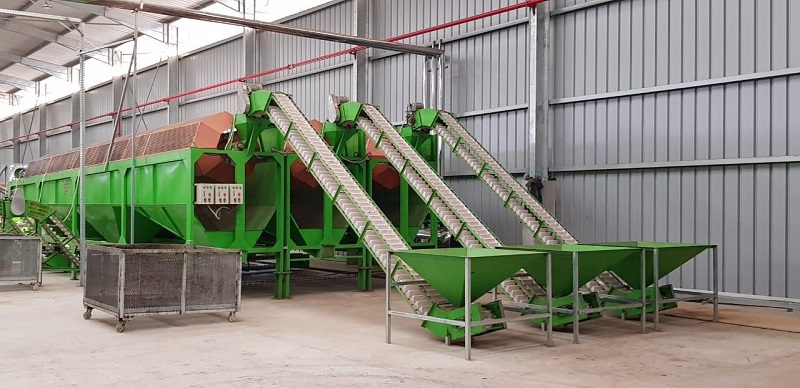
Raw Cashew Nut Cleaning & Size Classification
The process begins with raw cashew nuts in shell, which are first cleaned to remove foreign materials and impurities. The nuts are then sized according to their dimensions. This classification is essential because different sizes require appropriate roasting conditions, helping achieve more uniform processing in the following stages.
2
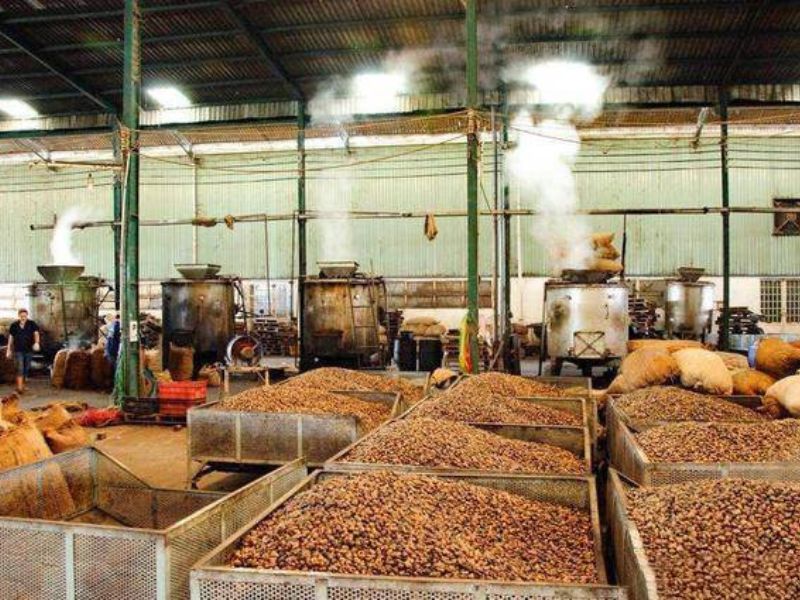
Water Soaking & Hot-Oil Roasting
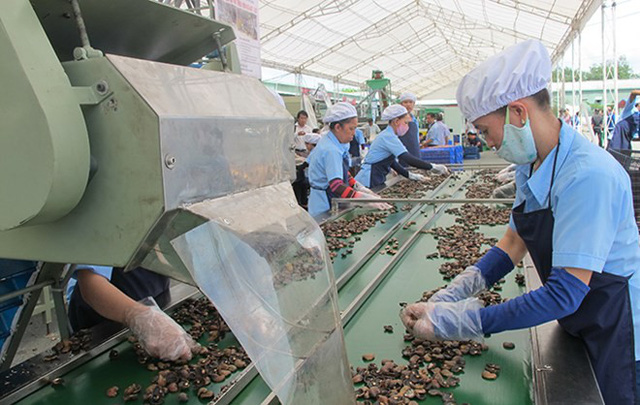
After sizing, the raw cashews are soaked in water to prepare the nuts for roasting and shelling. They are subsequently processed through hot-oil roasting, a key stage designed to extract cashew nut shell liquid (CNSL) and make the shells easier to separate from the kernels. Proper control at this stage helps protect the kernel while facilitating efficient shell removal.
Products
Products HAIVIET COMPANY LIMITED promotes on ViRFQ.

FAQ
Hot-oil roasting helps extract cashew nut shell liquid (CNSL) and makes the cashew shells easier to remove during shelling. This is an important stage in separating the edible kernel from the raw cashew nut shell.
Contact HAIVIET COMPANY LIMITED
Send a quote request or contact the export team directly