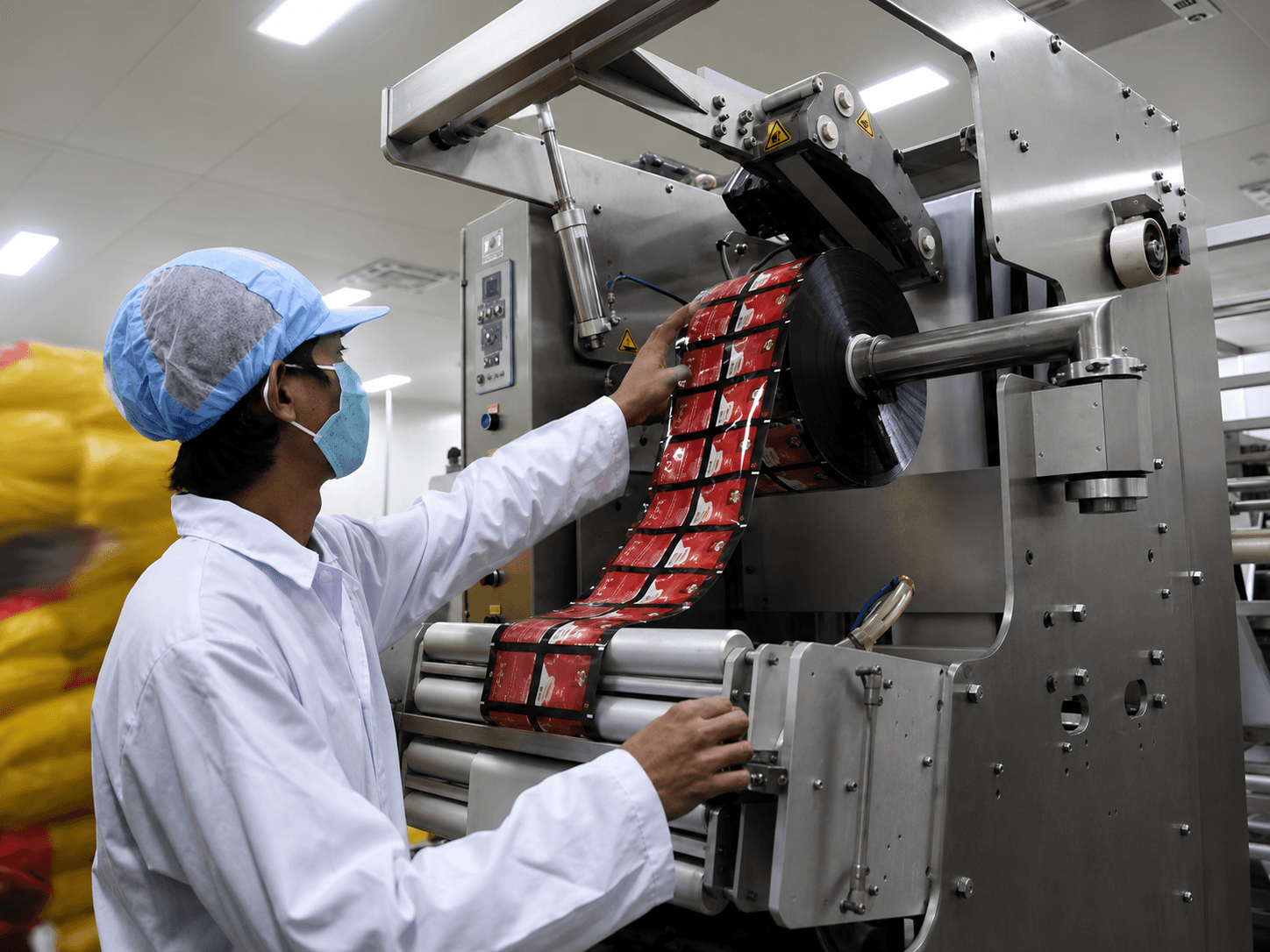
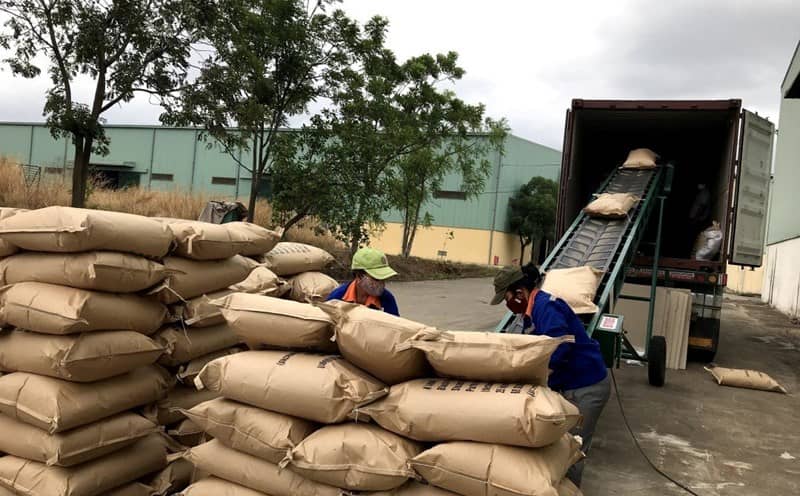
Export-Oriented Quality Standards
I have reviewed The Fruit Republic (TFR) website. The company was established in 2009 by a team of Vietnamese and Dutch agricultural experts, specializing in the production, packaging, and export of fresh Vietnamese fruits and vegetables. Key export products include green-skinned pomelo, pink pomelo, seedless lime, lemon, passion fruit, dragon fruit, guava, and mature coconut. WHY CHOOSE THE FRUIT REPUBLIC? 1. Integrated Farm-to-Market Supply Chain The Fruit Republic controls the supply chain from certified farms and harvesting to packing, cold storage, distribution, and export. This integrated system ensures full traceability, consistent quality, and reliable delivery. 2. Year-Round Certified Supply TFR has developed year-round supply programs for GLOBALG.A.P.-certified pomelo, seedless lime, and dragon fruit. This allows international customers to receive stable weekly shipments throughout the year. 3. Professional Farming Network The company works closely with certified contract farmers and corporate farms across Vietnam. Its agronomists and quality assurance teams regularly support farmers with crop management, food safety, and sustainable farming practices. 4. Modern Packing and Cold-Chain Facilities TFR operates a temperature-controlled, HACCP-certified packing facility in Can Tho with washing, sorting, grading, packing, and fresh-cut processing lines. Products enter the cold chain shortly after harvesting to maintain freshness and shelf life. 5. International Quality Standards The production and packing system is supported by standards and certifications including GLOBALG.A.P., HACCP, LEAF Marque, GRASP, ETI-SMETA, FSSC 22000, and BRC. These standards help TFR serve supermarkets and demanding international markets. 6. Sustainable and Responsible Production The Fruit Republic promotes responsible agrochemical use, environmental protection, farmer development, and sustainable resource management. Its farming and research programs aim to improve both fruit quality and the long-term resilience of Vietnamese agriculture. TFR announces a network of certified contract farmers, agronomists, and QA teams regularly monitoring farms. The company also operates a temperature-controlled packing house of about 4,000 m² in Can Tho and a pre-cut fruit processing area of about 750 m². PRODUCTION AND QUALITY CONTROL PROCESS Step 1 — Certified Farm Management Fruits are sourced from TFR’s certified contract farmers and corporate farms. Agronomists regularly monitor crop protection, fertilizer use, irrigation, harvest intervals, record keeping, and environmental practices. Step 2 — Selective Harvesting Fruits are harvested at the appropriate maturity based on size, color, firmness, sweetness, and customer specifications. Harvest schedules are coordinated with the sales and packing teams to ensure freshness and stable supply. Step 3 — Receiving and Quality Inspection Fresh produce is transported quickly to the packing facility and inspected for maturity, appearance, damage, defects, and traceability information. Products that do not meet the required standards are removed. Step 4 — Washing, Sorting, and Grading Qualified fruits are washed and processed through professional sorting and grading lines. They are classified by size, color, weight, and quality to achieve consistent export specifications. Step 5 — Packing and Cold-Chain Control Products are packed according to the buyer’s requirements and transferred into temperature-controlled storage. Fresh-cut products are prepared in a dedicated high-care processing area under strict food-safety controls. Step 6 — Final Inspection and Export Each shipment is checked for product quality, packaging, labeling, quantity, and documentation before dispatch. Temperature data loggers and insulated pallet covers may be used to protect produce from temperature fluctuations during international transportation. TFR states that produce enters the cold chain shortly after harvest. For exports, the company uses thermal protection for pallets and monitors temperature with data loggers in each shipment. FREQUENTLY ASKED QUESTIONS 1. What products does The Fruit Republic supply? TFR supplies fresh Vietnamese fruits and vegetables, including honey pomelo, pink pomelo, seedless lime, lemon, passion fruit, mature coconut, white and red dragon fruit, and white and pink guava. 2. Where are the products sourced? Products are sourced from TFR’s certified contract farmers and corporate farms, mainly in the Mekong Delta, Southern Vietnam, and the highlands of Dalat. 3. Can TFR supply fruit throughout the year? Yes. The company has developed year-round supply programs for selected products, particularly pomelo, seedless lime, and dragon fruit. 4. Are the products traceable? Yes. Products can be traced back to their farms and production records. TFR’s agronomists and quality assurance staff closely monitor growers and farming practices. 5. What certifications does TFR hold? The company states that its operations are supported by certifications and standards including GLOBALG.A.P., HACCP, LEAF Marque, GRASP, ETI-SMETA, FSSC 22000, and BRC. Certification scope should be confirmed for each product and facility. 6. Does TFR supply organic products? Yes. TFR states that it was the first company to supply certified organic lime from Asia. Product availability should be confirmed according to season and certification status. 7. How is fruit quality controlled? Quality is monitored from farm management and harvesting through receiving, washing, grading, packing, cold storage, and shipment. Key criteria include maturity, size, color, appearance, defects, and food-safety compliance. 8. Does the company have its own packing facility? Yes. TFR operates a modern temperature-controlled packing and fresh-cut facility in Can Tho with washing, grading, packing, cooling, and fresh-cut processing areas. 9. Does TFR provide fresh-cut fruit? Yes. The company processes fresh-cut fruit, including fresh-cut pomelo, in a dedicated high-care room under controlled food-safety conditions. 10. Can packaging be customized? Packaging, carton size, labeling, product count, and presentation may be adjusted according to the buyer’s specifications and destination-market requirements. 11. How is the cold chain maintained? Produce enters the cold chain shortly after harvesting and is stored under controlled conditions. TFR may also use insulated pallet covers and temperature data loggers during export transportation. 12. What markets does TFR serve? The Fruit Republic supplies domestic supermarkets and professional food-service customers in Vietnam, as well as international customers and supermarket chains, particularly in Europe and Asia. 13. Can customers receive samples? Sample arrangements depend on the product, destination, season, and transport requirements. Fresh produce samples must be coordinated carefully because of shelf-life and phytosanitary conditions. 14. What is the minimum order quantity? The website does not state a fixed MOQ. Minimum quantities depend on the product, packing format, season, destination, and shipment method. 15. Does TFR support export documentation? Yes. The company coordinates commercial, traceability, quality, phytosanitary, and shipping documents based on the product and destination-market requirements. 16. How can buyers receive an accurate quotation? Buyers should provide the product name, size or grade, quantity, packaging, destination port, required certification, delivery term, and expected shipment schedule. The Fruit Republic currently introduces a portfolio of over 100 types of fruits and vegetables for the domestic market under the Mekostar brand, while developing export brands such as Grando. The website also states that the company has over 400 employees, distribution centers in Ho Chi Minh City and Hanoi, a citrus R&D farm, and a professional nursery. I have reviewed the HIMEX – HungHau Agricultural website. The company, formerly known as Seajoco Vietnam, has been operating since 1976 and specializes in processing and exporting seafood and value-added food products. The current portfolio includes pangasius, shrimp, processed products, coffee, and cashew nuts. WHY CHOOSE HUNGHAU AGRICULTURAL? 1. Nearly 50 Years of Industry Experience Established in 1976, HungHau Agricultural has extensive experience in seafood processing, food manufacturing, and international trade. This long-standing foundation supports professional management and reliable cooperation. 2. Strong Production Capacity The company operates two processing factories with a freezing capacity of up to 70 tons of finished products per day and cold-storage capacity of approximately 3,950 tons. Its facilities support both traditional frozen products and value-added food production. 3. Diverse Product Portfolio HungHau Agricultural supplies pangasius, shrimp, breaded and value-added seafood, coffee, cashew nuts, and other processed foods. This diversity enables customers to source multiple product categories from one experienced manufacturer. 4. International Quality Standards The production system is supported by standards and certifications such as ISO 22000, BRC, HACCP, HALAL, ASC, MSC, SSOP, and GMP. The company also holds approvals for exporting products to demanding markets. 5. Global Export Experience HungHau Agricultural has supplied products to customers across Europe, Japan, South Korea, the United States, Australia, and the UAE. Its experience with international buyers helps the company respond to different quality, packaging, and documentation requirements. 6. Flexible Processing and Private-Label Solutions The company operates multiple processing lines and specialized equipment for cutting, mixing, steaming, frying, freezing, and metal detection. Products, packaging, labeling, and processing formats can be discussed according to customer requirements. Key figures announced by the company include two factories, over 2,000 employees, a total area of approximately 65,143 m², a freezing capacity of 70 tons/day, and a cold storage capacity of 3,950 tons. PRODUCTION AND QUALITY CONTROL PROCESS Step 1 — Raw Material Sourcing Seafood and agricultural materials are sourced from suitable farming areas and approved suppliers. Each source is evaluated according to freshness, origin, product specifications, and food-safety requirements. Step 2 — Receiving and Initial Inspection Raw materials are inspected for freshness, size, color, odor, physical condition, temperature, and visible defects. The company’s laboratory may also examine raw materials, water, and related safety parameters. Step 3 — Cleaning and Preliminary Processing Qualified materials are thoroughly cleaned and prepared for production. Depending on the product, processing may include heading, gutting, peeling, trimming, filleting, cutting, or size classification. Step 4 — Processing and Product Formation Products are processed according to the confirmed specifications. Available operations may include mixing, steaming, frying, breading, seasoning, shaping, and preparation of value-added food products. Step 5 — Freezing and Quality Inspection Finished products are frozen using suitable IQF, air-blast, or contact-freezing systems. Each batch is inspected for size, weight, appearance, temperature, sensory quality, and compliance with customer requirements. Step 6 — Packing, Cold Storage, and Export Approved products are packed, labeled, metal-detected, and recorded by production batch. Finished goods are maintained in cold storage and prepared with the necessary commercial and export documentation before shipment. HungHau Agricultural announces a system of equipment including five IQF conveyors, three re-freezing systems, eight air-blast freezers, nine contact freezers, five flake ice machines, along with mixers, steamers, fryers, grinders, and metal detectors. FREQUENTLY ASKED QUESTIONS 1. What products does HungHau Agricultural supply? The company supplies pangasius, shrimp, value-added seafood, breaded products, coffee, cashew nuts, and other processed food products. 2. How long has the company been operating? HungHau Agricultural traces its history back to 1976 and has several decades of experience in seafood processing and international trade. 3. How many factories does the company operate? The company operates two processing factories located in Ho Chi Minh City and Dong Thap Province. 4. What is the company’s production capacity? HungHau Agricultural states that its freezing capacity reaches approximately 70 tons of finished products per day, while its cold-storage system can hold around 3,950 tons. 5. Can the company produce value-added products? Yes. Its facilities include equipment for cutting, mixing, steaming, frying, breading, freezing, and metal detection, allowing the company to produce a wide range of value-added foods. 6. What certifications does HungHau Agricultural have? The website introduces standards and certifications including ISO 22000, BRC, HACCP, HALAL, ASC, MSC, SSOP, and GMP. The applicable certification should be confirmed for each factory and product. 7. Which markets does the company export to? The company identifies Europe, Japan, South Korea, the United States, Australia, Russia, and the UAE among its important international markets. 8. Does the company have an in-house laboratory? Yes. The company states that it operates a biological and chemical laboratory to inspect raw materials, processing water, and finished products on a regular basis. 9. Can products be customized? Customers may discuss requirements regarding species, size, cutting style, processing method, seasoning, breading, packing weight, labeling, and finished-product specifications. 10. Does the company support private-label packaging? Customized and private-label packaging may be developed depending on the product, packaging format, order volume, and target market. 11. Can HungHau Agricultural handle large-volume orders? Yes. Its two factories, freezing systems, cold-storage capacity, and workforce are designed to serve commercial and export orders at scale. 12. Does the company provide samples? Samples may be arranged depending on the product, destination, shipping conditions, and buyer requirements. The relevant costs and delivery method should be confirmed for each request. 13. Does the company support export documentation? Yes. HungHau Agricultural has an international business department and experience preparing commercial, quality, origin, health, and shipping documents for export orders. 14. How can customers receive an accurate quotation? Customers should provide the product name, specifications, size, processing style, quantity, packaging, destination port, required certifications, and preferred Incoterm. The website announces key markets including France, Belgium, the Netherlands, Russia, Japan, South Korea, the United States, Australia, and the UAE. The company’s two factories are introduced with export codes DL01 and DL239. Before including in the official profile, the current scope of each certification, MOQ, specific product categories of each factory, and actual capacity at the time of issuance should be confirmed. I have reviewed the website and catalog of GreenTech Vietnam. The company is based in Lam Dong, specializing in supplying and exporting green coffee beans Robusta, Arabica, and some Central Highlands agricultural products such as durian and passion fruit. GreenTech announces a closed control model from raw material areas to export ports, a linked area of about 10,000 hectares, a processing capacity of about 6,000 tons/year, and certifications introduced include ISO 22000:2018, HALAL–GCC, and GACC. WHY CHOOSE GREENTECH? 1. Integrated Farm-to-Export Control GreenTech manages the coffee supply chain from growing areas and raw-material selection to processing, grading, packing, and export. This integrated approach supports traceability, consistent specifications, and better quality control. 2. Strong Central Highlands Supply Based in Lam Dong, the company has access to approximately 10,000 hectares of agricultural sourcing areas. This network supports a stable supply of Robusta, Arabica, and selected highland agricultural products. 3. Diverse Coffee Grades and Processes GreenTech provides Robusta and Arabica in Grade 1, Grade 2, Culi, clean-green, color-sorted, standard, and under-screen grades. Available processing methods include Natural, Washed, and Honey processing, with screen sizes from S13 to S18. 4. Modern Processing Capacity The company operates a processing facility equipped with mechanical screening, flotation systems, color sorting, controlled fermentation, and standardized drying. Its declared annual processing capacity is approximately 6,000 tons. 5. Export-Oriented Quality Standards GreenTech’s product portfolio is presented with ISO 22000:2018, HALAL–GCC, and GACC credentials. The company also supports export-grade packing, customized specifications, and documentation for international buyers.